
Darwin Space analysis · 10/11/2026
The development
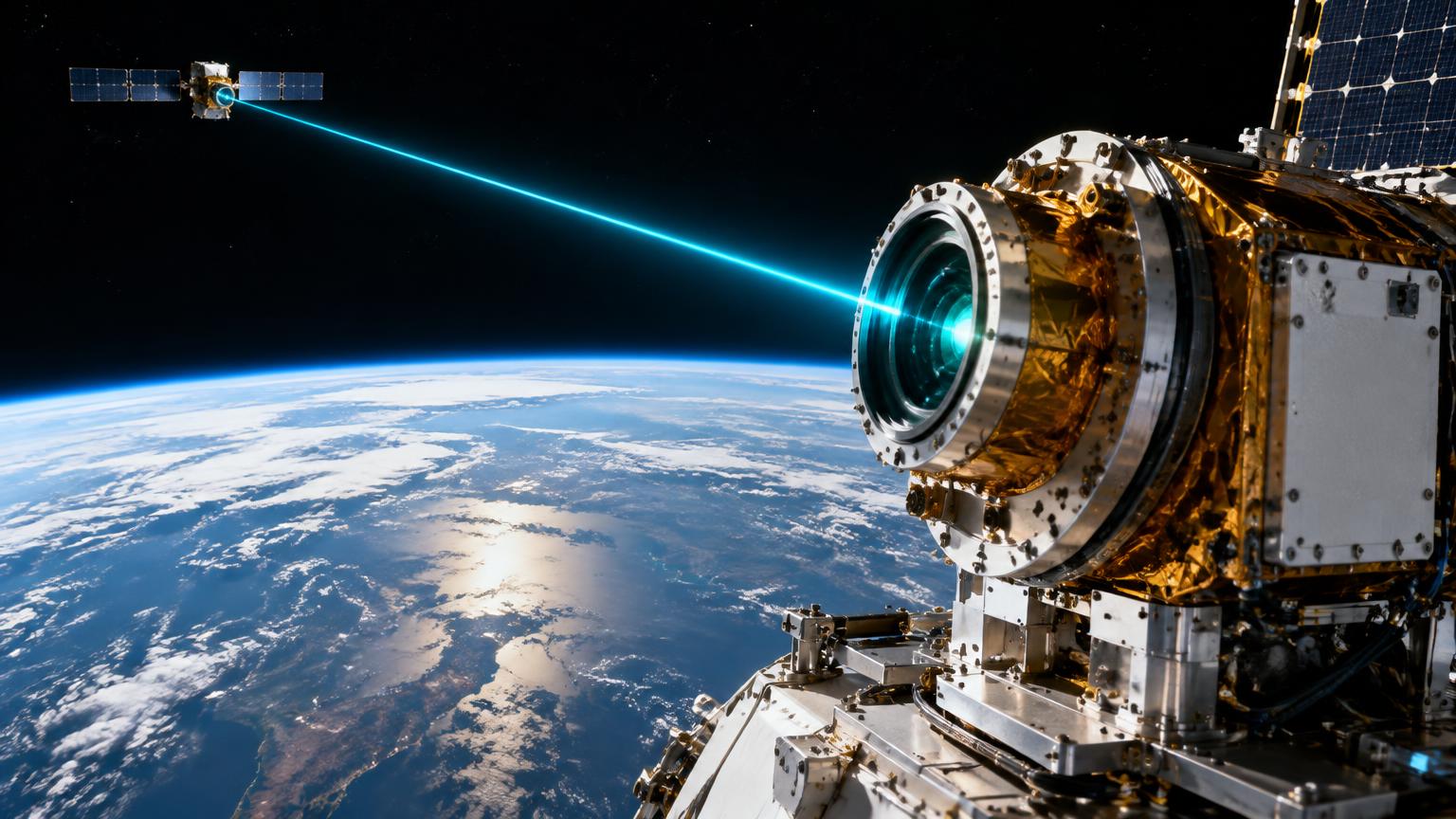
NASA has announced a December 8 seminar on superconducting nanowire single-photon detector arrays. The programme describes progress in nanofabrication and multiplexing towards larger cameras, alongside work extending infrared wavelength coverage. Deep-space optical communication is one of the applications identified. This is a research discussion, not an announcement of a deployed communications product.
Staffing perspective
For optical communications employers, the relevant talent spans detector physics, photonics, nanofabrication and low-noise readout electronics. Moving from laboratory results to an integrated terminal could also require engineers who understand cryogenic constraints, calibration and system verification. Darwin Space’s view is that recruitment briefs should identify the interface between scientific expertise and practical engineering, rather than relying on a broad optical-engineer title. These are potential capability needs, not reported vacancies.
Commercial perspective
Greater detector sensitivity could support optical links where received signals are exceptionally weak. However, commercial relevance depends on more than a promising device: integration complexity, operating conditions, manufacturability and reliability all influence adoption. Companies evaluating this field should distinguish research milestones from qualified products and plan technical due diligence before committing to a delivery timetable.
Source: NASA · IR STIG Seminar, 8 Dec 2026
Read the original announcementAI-assisted commentary based on an attributed primary-source announcement. Staffing and commercial implications are analysis, not confirmed hiring plans. No affiliation or endorsement by the source is implied. Scene imagery is illustrative.